7 Things Homeowners Should Know About Water Heater Repairs
Your water heater is one of the unsung heroes of your home. It quietly ensures you have warm showers, clean dishes, and comfortable living. But like any appliance, it’s prone to wear and tear, and problems can appear unexpectedly. Understanding how your water heater works, common issues, and repair options can save time, stress, and money. Knowing what to look for and when to schedule water heater repair is essential for every homeowner.
Even if your water heater seems fine, monitoring its performance is important. Small changes, like water taking longer to heat, uneven water temperatures, or unusual noises, can indicate a problem. Addressing issues early can prevent major repairs later and ensure your home continues to run smoothly. Being aware of your unit’s age, condition, and proper maintenance can also give you peace of mind, ensuring you’re protecting your investment and keeping your hot water reliable.
1. Recognizing Warning Signs
Water heaters rarely provide much notice before showing problems. Strange noises, inconsistent water temperature, or leaks are all signs to watch for. A loud banging or popping sound may indicate sediment buildup in a tank heater, reducing efficiency and potentially shortening the unit’s lifespan. Identifying issues early helps you determine when professional water heater repair is needed before the problem escalates.
Changes in water quality are another key warning. Rust-colored water, unusual odors, or a metallic taste can signal corrosion inside the tank or failing anode rods. Even small leaks around the base can lead to costly water damage over time. Regularly checking for these signs helps ensure your system remains efficient and prevents unexpected emergencies.
2. Understanding Lifespan and Performance
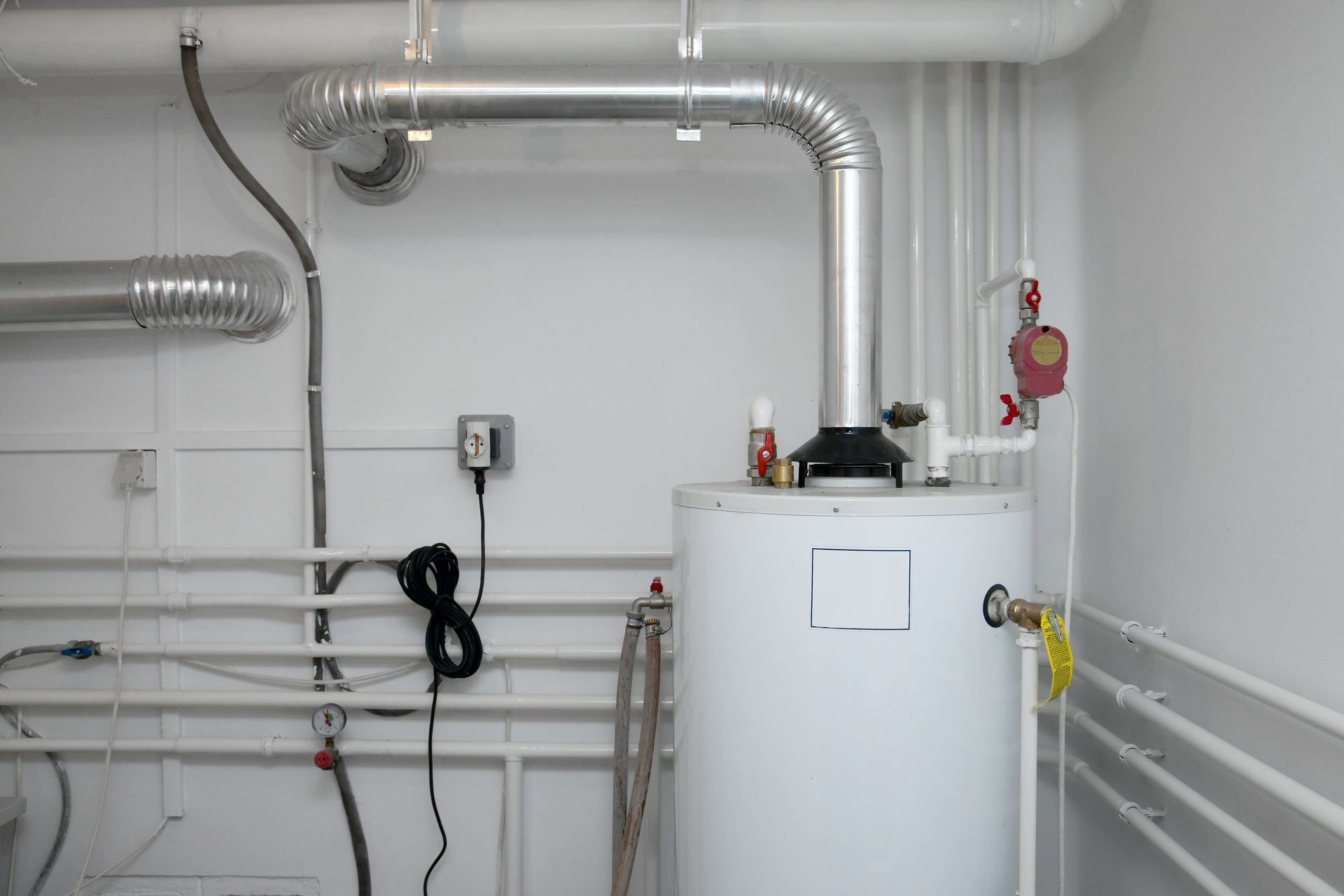
Knowing your water heater’s type and age is important for planning repairs or replacement. According to HomeGuide, tank water heaters typically last eight to 15 years, while tankless models last 10 to 20 years. Tank models store hot water and can experience sediment buildup, while tankless units heat water on demand and are generally more energy-efficient, though sometimes more complex to repair.
Age is a key factor in deciding whether to repair or replace your unit. If your water heater is within its expected lifespan and showing minor issues, water heater repair is often a cost-effective solution. Older units that require repeated repairs may be better off replaced. Knowing the system’s age and monitoring performance helps avoid unexpected breakdowns and cold showers. Keeping records of installation dates and maintenance can be valuable for long-term planning.
3. Identifying Common Problems
Several issues frequently lead homeowners to schedule water heater repair. Sediment buildup is one of the most common problems, reducing heating efficiency, causing noisy operation, and even shortening the lifespan of the unit. Malfunctioning heating elements can result in water that heats unevenly or fails to reach the desired temperature, making everyday tasks like showers or dishwashing frustrating. Leaks, whether minor or significant, require prompt professional attention to prevent water damage, mold growth, or structural issues in the home.
Other problems may not be immediately visible but can still affect performance. Faulty thermostats or pressure relief valves can prevent safe operation and reduce energy efficiency. Ignoring minor issues often leads to larger, more expensive repairs and unexpected disruptions. Regular professional inspections and careful monitoring for early signs of wear help maintain your unit’s reliability and prevent emergencies. Understanding what is normal for your system allows homeowners to spot subtle changes quickly and schedule timely water heater repair, keeping hot water consistent and protecting your home and investment.
4. Scheduling Professional Repairs
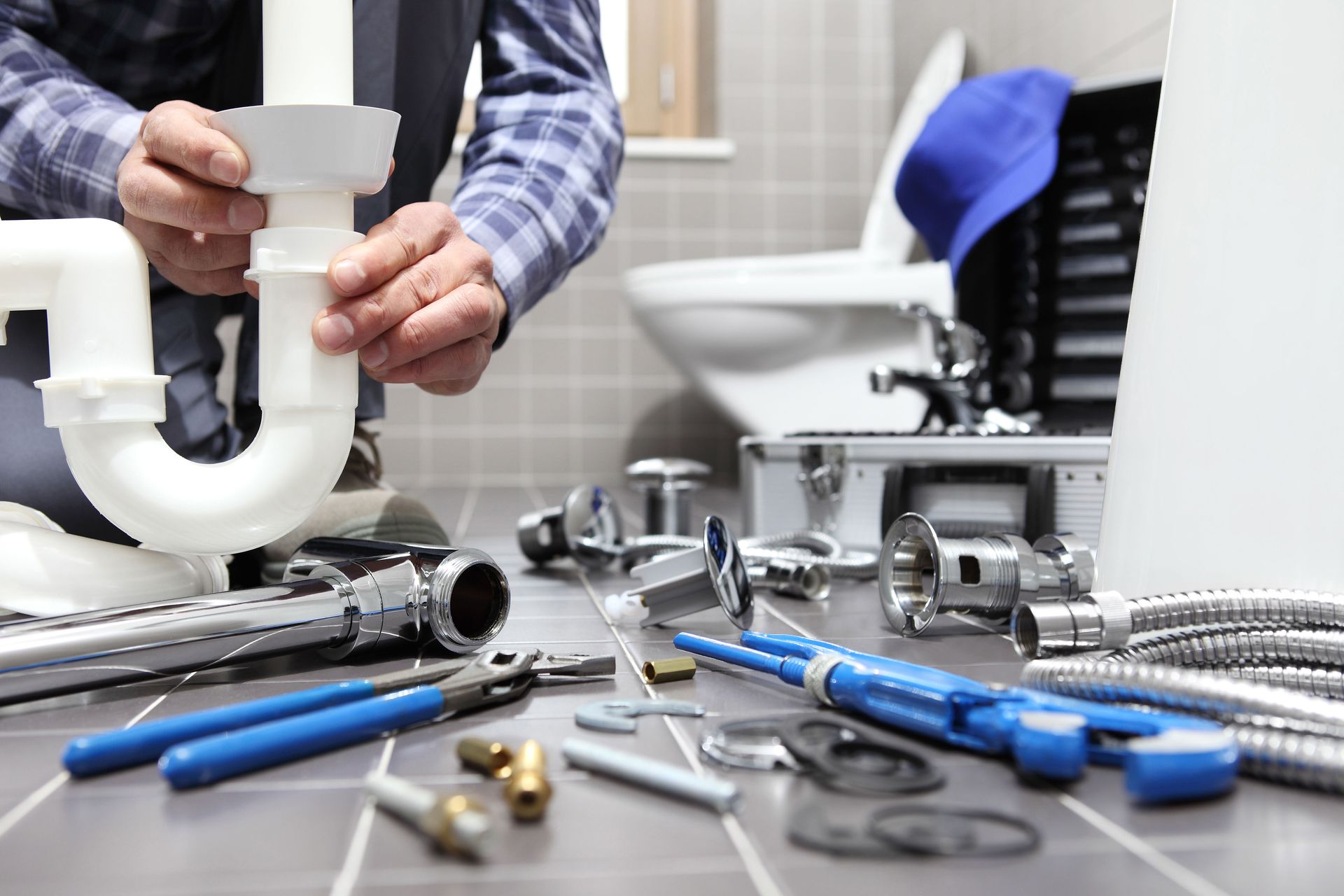
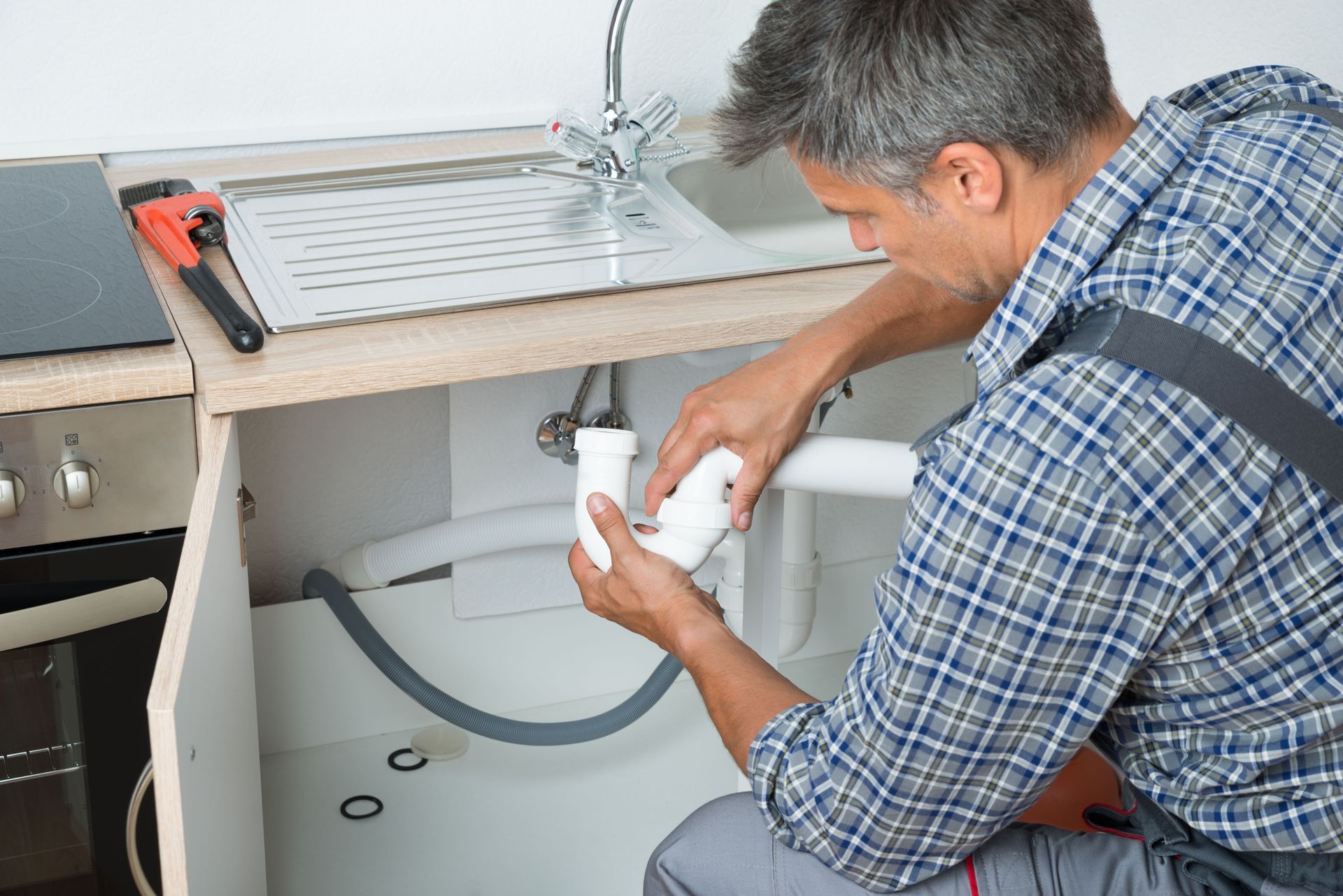
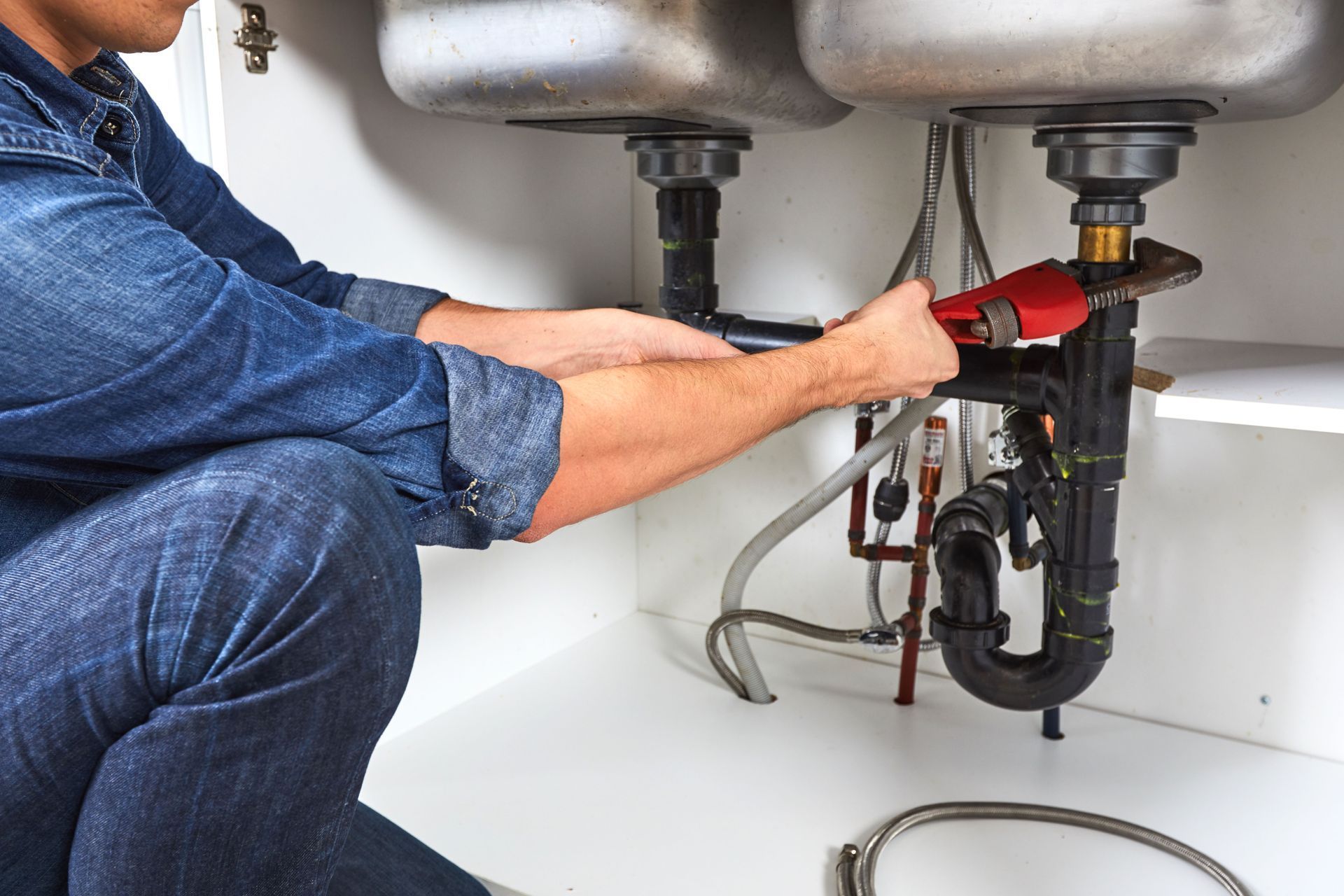
Water heaters involve electricity, gas lines, and plumbing components that can be dangerous if mishandled. Professional water heater repair ensures that the root problem is addressed safely and efficiently. Licensed technicians have the expertise, tools, and experience to handle complex issues, including internal leaks, faulty valves, sediment buildup, or gas-related problems. Attempting to fix these issues without professional knowledge can be risky and may cause further damage or safety hazards.
Working with professionals also ensures that preventative care is provided alongside repairs. Technicians can recommend adjustments or upgrades that help extend the unit’s lifespan and maintain peak performance. Many professional repairs include warranties, giving homeowners added peace of mind and financial protection. Scheduling service at the first sign of trouble helps prevent minor issues from turning into major emergencies. Timely professional intervention keeps your water heater running efficiently, protects your home from water damage, and ensures reliable hot water for your family’s daily needs.
5. Considering Costs and Value
Repair costs vary depending on the issue, water heater type, and labor. Simple fixes, such as replacing a heating element, are usually affordable, while complex problems like tank leaks or gas line issues can be more expensive. Evaluating repair costs versus replacement helps homeowners make informed choices and avoid unnecessary expenses. Repeated small repairs on an older unit may quickly add up, making replacement a more cost-effective long-term solution.
Routine maintenance can also reduce long-term costs. Flushing your tank regularly prevents sediment buildup that could lead to more expensive repairs. Understanding repair and replacement costs allows you to budget effectively and plan for emergencies. By addressing problems promptly and planning, homeowners can protect the efficiency, longevity, and value of their water heater.
6. Performing Regular Maintenance
Maintenance is one of the most effective ways to prevent frequent problems and extend the life of your water heater. Flushing your tank removes sediment, which improves heating efficiency and reduces strain on the system. Checking the pressure relief valve ensures safe operation, while keeping the surrounding area free from clutter prevents accidental damage. These actions significantly reduce the likelihood of major repairs, improve overall reliability, and can even help lower energy bills by keeping the unit running efficiently. Developing a routine for inspections and upkeep is a small investment that can save time, money, and stress in the long run.
Professional inspections are an essential complement to routine care. Licensed technicians can detect early signs of corrosion, leaks, or worn components that homeowners might overlook. Periodic professional checks ensure your water heater operates efficiently, conserves energy, and remains reliable. Even minor adjustments, such as tightening connections, replacing worn washers, or checking for loose fittings, can prevent larger problems from developing. Regular professional maintenance also allows homeowners to plan for replacement before emergencies occur, avoiding inconvenient downtime and potential water damage. With consistent care and professional oversight, your water heater can deliver dependable hot water for years to come.
7. Recognizing When Replacement Is Necessary
Even with regular maintenance and occasional water heater repair, all units eventually reach the end of their useful life. If your water heater is leaking, showing rust or corrosion, or consistently failing, replacement may be the better option. Planning allows you to replace the unit before a sudden breakdown leaves you without hot water. Waiting until a full failure can also create water damage, disrupt your daily routine, and increase repair costs. Recognizing the signs early ensures replacement can be scheduled conveniently, avoiding emergencies.
Proactive replacement prevents water damage and reduces the stress of emergency repairs. Older units often require frequent fixes, which can add cost and inconvenience. Replacement also offers an opportunity to upgrade to a more energy-efficient system or a space-saving tankless unit, providing on-demand hot water. Modern models often feature improved temperature controls, enhanced safety features, and higher efficiency ratings. Understanding when repairs are no longer sufficient ensures reliable hot water and long-term peace of mind. For any water heater repair or replacement needs, reach out to Clear Choice Plumbing and Drain to get your system back on track efficiently and safely.